
Corporate Environmental Underwriting (CEU)
Turn sustainability into profitability with financial underwriting that captures green incentives and ESG advantages.
Key Benefits:
Clear Financial Justification for Environmental Investments, Stronger Negotiating Power With Lenders & Capital Providers, Optimized Upgrade Strategy Backed by Deep Technical & Financial Analysis, Long-Term Value Creation Through Lower Costs & Reduced Risk, Board-Ready, Investor-Ready, and Lender-Ready Documentation
Financial Clarity for Environmental Investment
— With Real ROI, Breakeven Modeling, and Long-Term Value Creation
Corporate Environmental Underwriting (CEU) is the disciplined financial evaluation of environmental, energy, and operational improvements to determine exactly what returns a company will achieve from sustainability-driven upgrades. At Douglass Advisory, we transform environmental improvements into quantifiable financial outcomes — not vague ESG language.

Challenges We Solve
We help companies turn sustainability into financial gain by underwriting incentives, carbon-focused initiatives, and ESG strategies that boost profitability and reduce emissions.
Complex Incentive Programs
Hard-To-Measure ROI
ESG Pressure
Limited Expertise
Learn More About Our
Process
We blend financial analysis, environmental data, and structured underwriting to capture maximum incentives, quantify impact, and guide execution from planning to completion.
Incentive Review
We identify all eligible federal, state, and utility incentives to ensure no opportunity is missed.
ROI Modeling
We project financial returns, payback periods, and long-term value for sustainability upgrades.
Carbon Footprint Analysis
We measure emissions impact and model reductions tied to proposed improvements.
Underwriting
We validate financial and environmental assumptions, creating a defensible strategy for stakeholders.
Execution Support
We help guide implementation, ensuring incentives and sustainability benefits are fully captured.
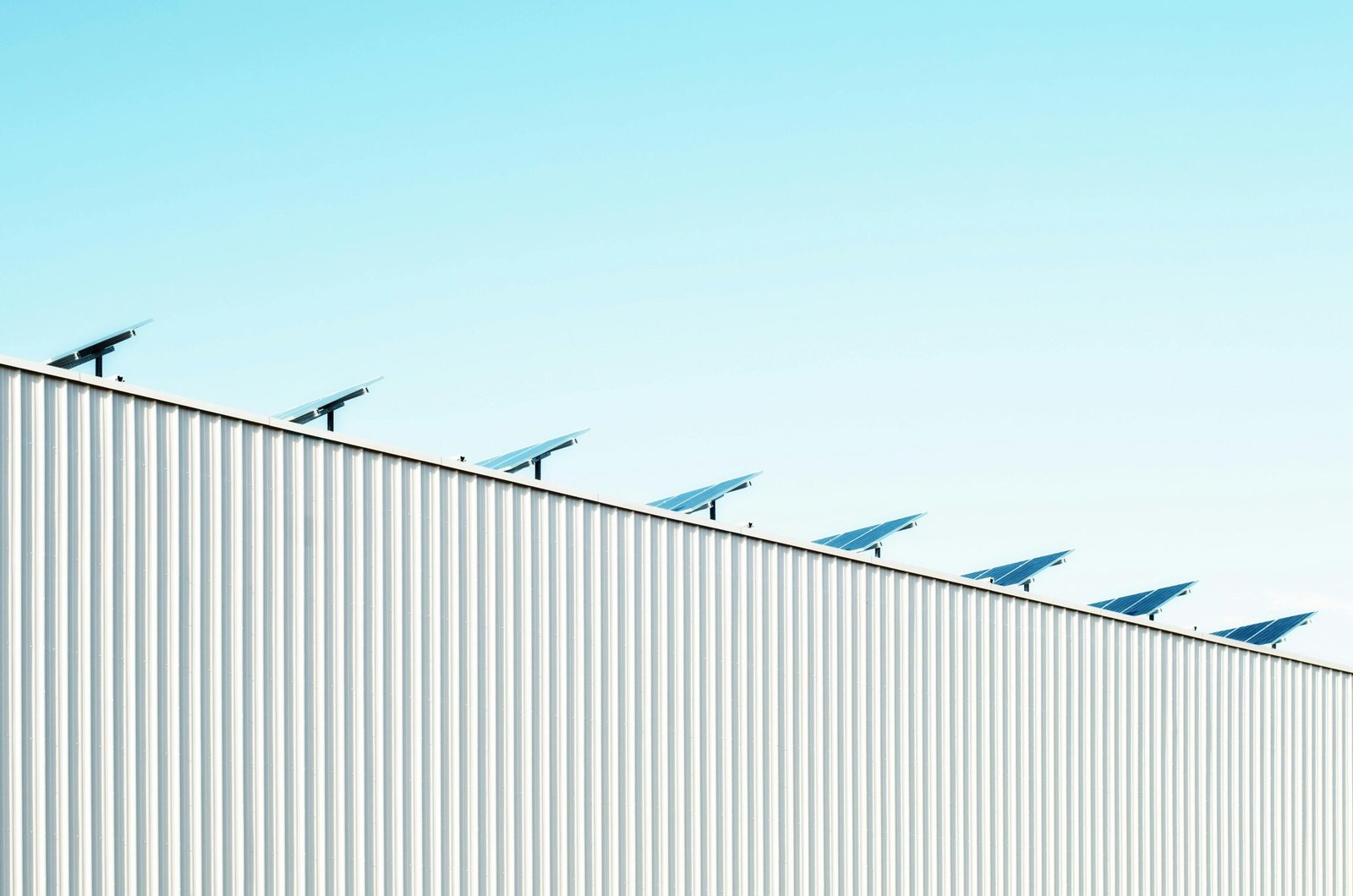
Samples of the improvements we underwrite:
✓ Linkageless Boilers – higher combustion efficiency, reduced fuel costs, optimized temperature control
✓ High-Efficiency HVAC Systems – VFDs, economizers, heat pumps, enhanced IAQ, and strong ROI
✓ Steam Trap Retrofits & Continuous Monitoring – preventing thermal loss, improving plant efficiency, lowering utility bills
✓ Heat Recovery Ventilation (HRVs/ERVs) – captures waste heat from exhaust air, reducing heating/cooling loads
✓ Demand-Controlled Ventilation (CO₂-based) – dynamically adjusts airflow to occupancy for significant energy savings
✓ Chilled Water Plant Optimization – VFD chillers, condenser water reset, intelligent sequencing
✓ Cooling Tower Upgrades – EC motors, variable-speed fans, improved water treatment for better approach temps
✓ Domestic Hot Water System Upgrades – high-efficiency heaters, recirculation control, temperature optimization
✓ Natural Gas Generators – load shifting, backup power, and demand response revenue streams
✓ Cogeneration (CoGen) / Combined Heat & Power (CHP) – simultaneous onsite heat and electricity production
✓ Battery Energy Storage Systems (BESS) – peak shaving, backup power, and demand response integration
✓ Microgrids & Islanding Capabilities – energy resilience and utility independent operation
✓ LED Interior & Exterior Lighting Upgrades – reduced consumption, lower cooling loads, improved lumen output
✓ Advanced Lighting Controls – daylight harvesting, occupancy sensors, dimming controls
✓ Power Factor Correction – lower demand charges and improved electrical system health
✓ Cool Roofs & Roof Insulation – reduced heat gain, extended roof life, lower HVAC loads
✓ High-Performance Windows (Low-E, double/triple pane) – improved comfort and reduced thermal loss
✓ Air Sealing & Envelope Tightening – reducing infiltration, cutting heating/cooling waste
✓ Insulation Enhancements – wall/roof insulation improvements, spray foam sealing, thermal bridging reduction
✓ Low-Flow Fixtures & Aerators – reducing water and water-heating energy demand
✓ Greywater or Condensate Reuse – irrigation or cooling tower makeup water
✓ Cooling Tower Water Efficiency Upgrades – conductivity controllers, improved cycles of concentration
✓ Boiler Blowdown Heat Recovery – reclaiming wasted heat for preheating boiler feed water
✓ Advanced Building Automation Systems (BAS) – real-time monitoring, fault detection, predictive maintenance
✓ Smart Thermostats & Zoning Controls – optimized comfort with reduced runtime
✓ AI-Driven Energy Analytics – identifying inefficiencies and automated load shedding
✓ Submetering for Tenants & Systems – improved transparency and usage reduction
✓ Solar PV Systems – onsite renewable generation and hedge against peak pricing
✓ Solar Thermal Water Heating – reduces hot water energy loads
✓ Geothermal Heat Pump Systems – ultra-high-efficiency heating and cooling
✓ Wind Turbines (site permitting) – supplemental renewable generation
✓ Cool Roof Systems – reflective materials reducing solar heat gain and lowering HVAC loads
✓ Closed-Cell Spray Foam Insulation – enhanced building envelope sealing, moisture control, and energy retention
✓ Building Envelope Upgrades – window glazing, air sealing, insulation, and thermal barrier improvements
✓ Elevator Shaft Louvers – reducing stack effect and unnecessary HVAC energy waste
✓ LED Lighting Conversions – high-efficiency replacements with immediate reductions in electrical usage
✓ Occupancy Sensors & Smart Controls – optimization of interior lighting usage and extended fixture life
✓ Solar Photovoltaics (Rooftop) – long-term electricity offset and predictable energy costs
✓ Solar Parking Structures – dual-purpose shading + power generation
✓ Battery Storage – peak shaving, grid stability, and demand response opportunities
✓ Demand Response Participation – earning revenue or credits for reducing load at peak times
✓ Utility Rate Optimization – aligning building performance with the most cost-efficient tariff structures
✓ Operational Steam, Water, and Waste Efficiency Measures
Each improvement is analyzed in isolation and in combination so clients can see the compounding effect of multi-system upgrades.
Our CEU Process:
Turning Improvements Into Measured Financial Value
We analyze:
Current building performance
Mechanical system inefficiencies
Utility bills (electricity, gas, water, steam)
Waste patterns
Occupancy and load profiles
Carbon footprint and regulatory exposure
This baseline creates the foundation for all financial modeling.
For each improvement (e.g., linkageless boilers, spray foam, cool roofs, LEDs, solar, CoGen), we evaluate:
Installation cost
Expected performance uplift
Useful life
Rebates & tax incentives
Financing options
Maintenance impacts
We then determine the optimal combination based on your goals, budget, and operational profile.
We build a lender-grade underwriting model showing:
Break-Even Analysis
Month-by-month and year-by-year savings
Cumulative savings crossing cumulative investment
Breakeven timing for each upgrade and overall portfolio improvements
Return on Investment (ROI)
We calculate:
1-year ROI
3-year ROI
5-year ROI
Total lifetime returns
Financial Modeling Scenarios: Best case, Base case, Conservative case
Sensitivity analysis (utility inflation, performance variability, etc.)
Post-Breakeven Financial Projection
We show how profits accelerate after payback is achieved — this is where the long-term benefit becomes substantial.
You will see exactly how much money the company keeps in years 6, 10, 15, and beyond.
We prepare a clean, board-ready package including:
CEU summary
Energy & environmental profile
Recommended improvements
Full financial outputs (ROI, NPV, IRR, breakeven)
Strategic rationale and long-term risk reduction
Emissions reductions & sustainability improvements
Perfect for:
Investor pitches
Lender negotiations
Board approval
Sustainability committees
We provide:
Quarterly or annual reporting
Updated ROI projections
Market-based recalibration of assumptions
Alerts when new incentives/rebates become available
Tracking of emissions reductions and compliance exposure
Your CEU strategy becomes a living financial tool, not a one-time report.
Why CEU Produces Exceptional Long-Term Returns
A CEU engagement typically delivers:
– Lower operating costs
– Reduced energy wastage
– Extended equipment lifespan
– More predictable utility expenses
– Reduced emissions and regulatory exposure
– Increased building valuation
– Higher competitiveness for tenants or customers
– Better access to green financing

Frequently Asked Questions
Energy audits identify problems. CEU quantifies financial outcomes, including ROI, breakeven, and long-term returns.
Yes. We evaluate dozens of upgrades including: linkageless boilers, cool roofs, spray foam, LED lighting, CoGen, solar, solar parking structures, HVAC, steam traps, elevator louvers, building envelope upgrades, and more.
We compare the total investment to the monthly and annual savings until the cumulative savings exceed the total cost. This is shown both numerically and graphically.
Absolutely — this is where CEU provides maximum value. We show the cumulative profit generated after breakeven, often producing multi-fold returns over the equipment lifecycle.
Yes — federal, state, and utility incentives are fully integrated into the ROI modeling.
Yes. We prepare board-ready and lender-ready packages with full financial output.
Often, yes. We identify whether CEU results can qualify your company for:
C-PACE
Green bonds
Sustainability-linked loans
Renewable energy incentives
Most CEU analyses take 3–6 weeks, depending on portfolio size and system complexity.
Why Douglass Advisory?
Because we provide:
Lender-grade financial modeling
Clear breakeven and ROI analysis
Deep expertise in environmental & mechanical systems
Customized improvement pathways
Investor-ready outcome clarity